Entry · Ref IYRA5BV5
Delta 9 Distillate: What It Is and How It Fits Into Modern Concentrates
- Posted
- 2026-10-16
- Last amended
- 2026-10-16
- Account
- @getdelta9distillatecorner
A Closer Look at Delta 9 Distillate and Its Role in Today's Cannabis Scene
When I first started experimenting with cannabis concentrates, the sheer variety was overwhelming. Between waxes, oils, and crystalline powders, each product seemed to promise something different. One term that kept surfacing was "delta 9 distillate." At first, I assumed it was just another marketing label, but after working with it in a commercial kitchen and talking to extraction chemists, I realized it represents a specific and fascinating category. Let me walk you through what it actually is, how it's made, and where it fits in a world already crowded with potent extracts.
What Makes Delta 9 Distillate Different
Cannabis concentrates come in many forms, but distillates occupy a unique space. The process of distillation separates compounds based on their boiling points, which means you can isolate specific cannabinoids and terpenes from the raw plant material. Delta 9 distillate is a product where the primary psychoactive cannabinoid is delta-9-tetrahydrocannabinol, or THC. Unlike a full-spectrum extract that retains a wide range of compounds, a distillate often aims for high purity of a specific molecule. This focus on a single cannabinoid is what sets it apart from more traditional concentrates like live resin or rosin.
In practice, this means delta 9 distillate tends to be extremely potent. The THC concentration can exceed 90 percent in some cases, which is significantly higher than what you find in most flower or even standard cannabis concentrates. That level of potency changes how you dose and how you experience the effects. For someone accustomed to smoking flower, a single dab of distillate can feel like a completely different animal. The psychoactive effects hit harder and faster, and the experience often lasts longer because the body processes concentrated THC differently.
I recall testing a batch of distillate from a small Colorado processor a few years ago. The lab results showed 94 percent THC with minimal cannabinoid diversity. The entourage effect - the synergy between multiple cannabinoids - was almost absent. It was a pure THC rush, clean but one-dimensional. That taught me that delta 9 distillate is not necessarily better or worse than other concentrates; it is simply different. It appeals to users who want a predictable, powerful experience without the variability of a full-spectrum extract.
The Production Process: From Plant to Distillate
Making delta 9 distillate starts with selecting the right source material. Hemp and cannabis plants both contain THC, but legal restrictions often dictate which is used. Hemp-derived THC is legal at the federal level in the United States, while cannabis-derived THC remains subject to state laws. Many commercial producers start with hemp biomass because it is easier to source and process legally. From there, they use solvent extraction or CO2 extraction to pull the cannabinoids out of the plant material.
Solvent extraction typically involves ethanol or butane. The solvent dissolves the cannabinoids, terpenes, and other lipophilic compounds. After the solvent is removed, you are left with a crude extract that still contains fats, waxes, and chlorophyll. This crude oil then goes through distillation. The distillation process heats the oil under vacuum, which lowers the boiling point of the compounds. THC boils at around 157 degrees Celsius under normal pressure, but under vacuum that temperature drops significantly. The vapor is collected and condensed back into a liquid, yielding a much purer oil. Multiple passes through the still can increase the THC concentration even further.
CO2 extraction is a different approach. It uses pressurized carbon dioxide to pull cannabinoids from the plant without the need for flammable solvents. The resulting oil is often cleaner and retains more of the plant's original terpene profile. However, CO2 extraction is more expensive and requires specialized equipment. For someone producing delta 9 distillate at scale, the choice between solvent and CO2 extraction often comes down to cost and desired purity. I have seen small batch producers swear by CO2 because it preserves the subtle flavors, while larger operations favor solvent extraction for its efficiency and higher yields.
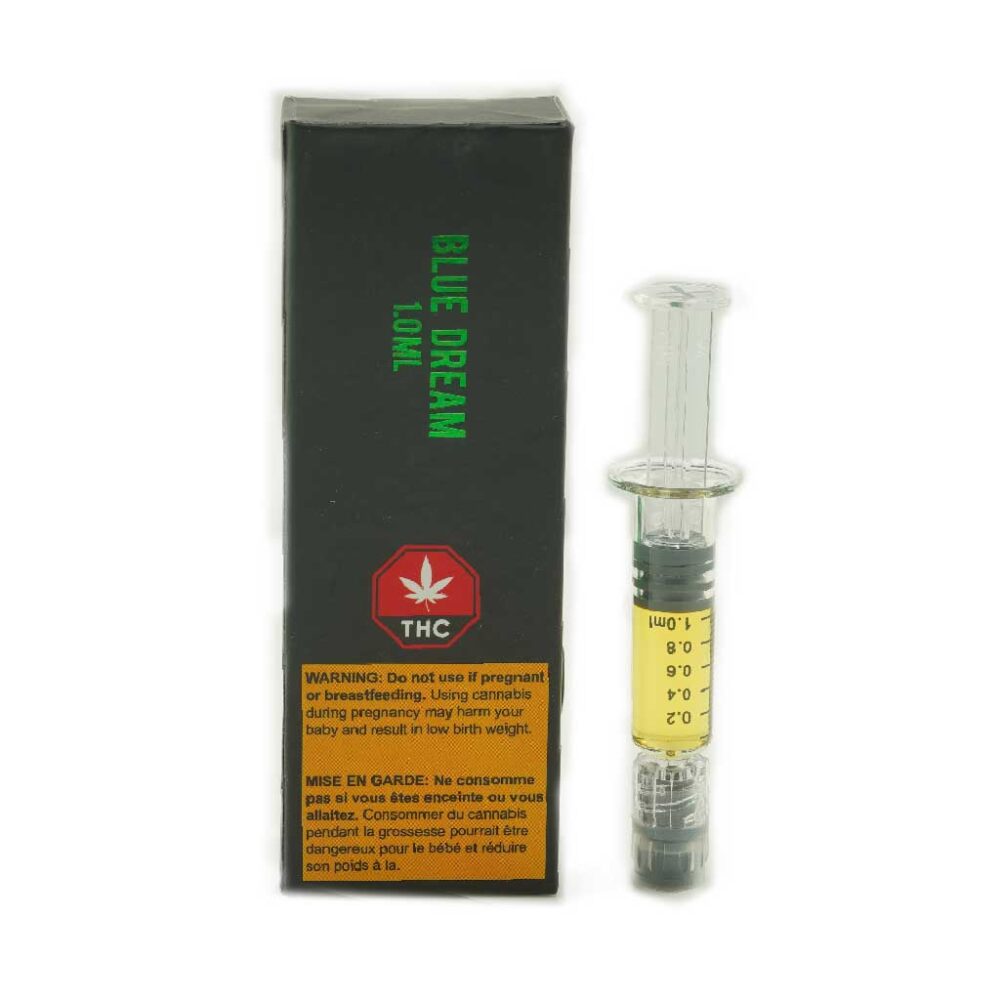
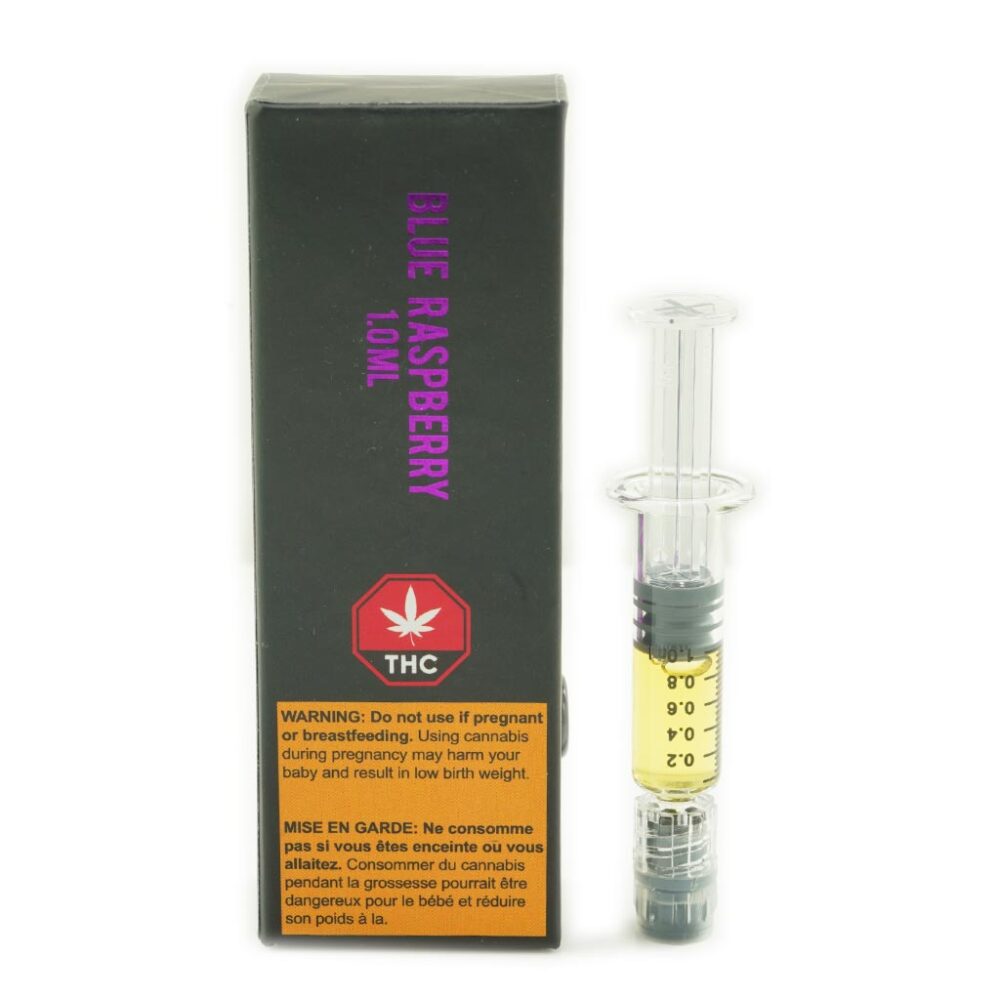
After distillation, the oil is typically winterized. Winterization involves chilling the oil to subzero temperatures and filtering out the fats and waxes that solidify. This step yields a clearer, more stable product that performs better in vape cartridges and dab rigs. The final product is a viscous, amber or golden liquid that can be filled into syringes, jars, or cartridges. It is ready for dabbing, for filling vape cartridges, or for use in edibles.
How to Use Delta 9 Distillate
If you are new to concentrates, delta 9 distillate can be intimidating. The potency means that even a small amount can produce strong psychoactive effects. The most common way to consume it is through dabbing. You use a dab tool to place a tiny amount onto a heated surface - typically a quartz or ceramic banger attached to a water pipe or rig. The oil vaporizes instantly, and you inhale the vapor. The experience is intense and immediate. A single dab can leave even experienced users coughing if they take too much.
Another popular method is filling vape cartridges. Distillate can be mixed with terpenes or other thinning agents to create a consistency that works in standard vape pens. This is common in the disposable vape market, where the distillate is often diluted with flavorings and other cannabinoids. For the user, this provides a convenient, portable way to consume high-potency THC without the ritual of dabbing.
Some people also use distillate in edibles, though this is less common. Because the THC is already activated through decarboxylation during distillation, it can be added directly to fats or oils and used in cooking. But the extremely high concentration makes dosing tricky. A single drop can contain 50 milligrams of THC, which is far more than a typical edible serving. I have seen home cooks accidentally create edibles that were far too strong because they misjudged the potency.
The choice between dabbing and vaping often comes down to personal preference and tolerance. Dabbing gives you more control over the dose and a more immediate effect, but it requires more equipment and practice. Vape cartridges are easier for on-the-go use but often deliver a less intense hit. Both methods work well with delta 9 distillate, provided the product is properly formulated for the device.
Comparing Distillate to Other Concentrates
The cannabis concentrate market is crowded. You have live resin, rosin, BHO (butane hash oil), CO2 oil, and various crystalline isolates like THCA diamonds. Where does delta 9 distillate fit? The key difference is the level of refinement. A full-spectrum extract like live resin or rosin retains a broad range of cannabinoids and terpenes. That creates a more complex experience due to the entourage effect. Delta 9 distillate, by contrast, is stripped down to mostly THC. It is less about the symphony of compounds and more about a single, powerful note.
For medical users, this can be both an advantage and a disadvantage. Someone seeking relief from chronic pain might appreciate the consistency and predictability of a pure THC product. But someone using cannabis for anxiety or inflammation might find that a full-spectrum extract provides better results because of the interaction between THC, CBD, and other minor cannabinoids. I have seen patients respond very differently to distillate versus whole-plant extracts. There is no universal best option. It depends on your endocannabinoid system and what you are trying to treat.
From a manufacturing perspective, distillate is easier to standardize. Because you are isolating a single molecule, batch-to-batch consistency is higher. This is appealing for companies that produce vape cartridges or other products where precise dosing matters. But the trade-off is that you lose the nuance of the cannabis plant. The aroma, flavor, and complexity of the original strain are often lost during distillation. Some producers add back terpenes or other fractions after distillation to restore some of that character.
Practical Tips for Buyers
If you are considering buying delta 9 distillate, there are a few things to look for. First, check the lab results. Reputable producers will provide a certificate of analysis showing the THC percentage and the presence of residual solvents. Avoid products that do not have third-party testing. Second, consider the source. Hemp-derived distillate is legal in more places, but it may not have the same cannabinoid profile as cannabis-derived product. Some people find that hemp-derived THC feels slightly different, though the science is still debated.
Third, think about your consumption method. If you plan to dab, look for a product that is free of additives and has a high THC percentage. If you want to fill vape cartridges, look for distillate that is already mixed with thinning agents or terpenes. Mixing your own can be messy and imprecise. Fourth, store it properly. Delta 9 distillate is sensitive to heat, light, and air. Keep it in a cool, dark place in an airtight container. A dark glass jar with a tight lid works well. Exposure to oxygen can degrade the THC over time, turning it into cannabinol, which is less psychoactive.

Finally, start low and go slow. This is the golden rule for any concentrate, but especially for delta 9 distillate. A grain-of-rice-sized dab is plenty for most people. Wait at least fifteen minutes before taking another. The effects can sneak up on you, especially if you are using a vape pen that delivers a steady stream of vapor. I have seen experienced users get caught off guard by the potency of a good distillate. Respect the product and it will serve you well.
The Bottom Line
Delta 9 distillate is a powerful, refined cannabis concentrate that offers a clean, predictable THC experience. It is not for everyone, but for those who want maximum potency and consistency, it is a valuable option. Whether you are dabbing it from a rig, filling vape cartridges, or experimenting with edibles, understanding what it is and how it is made helps you make better choices. The cannabis market continues to evolve, and distillates represent a step toward more targeted, efficient products. As with any concentrate, the key is to find what works for your body and your lifestyle.